What is diabetes?
Diabetes, also known as diabetes mellitus, is a disease in which your blood glucose, or blood sugar, levels are too high. Glucose is your body’s main source of energy. Your body can make glucose, but it also comes from the food you eat. Insulin is a hormone made by your pancreas. Insulin helps move glucose from your bloodstream into your cells, where it can be used for energy.
If you have diabetes, your body can’t make insulin, can’t use insulin as well as it should, or both. Too much glucose stays in your blood and doesn’t reach your cells. This can cause glucose levels to get too high. Over time, high blood glucose levels can lead to serious health conditions. But you can take steps to manage your diabetes and try to prevent these health problems.
What are the types of diabetes?
There are different types of diabetes:
- Type 1 diabetes. If you have type 1 diabetes, your body makes little or no insulin. It happens when your immune system attacks and destroys the cells that produce insulin.
- Type 2 diabetes. This is the most common form of diabetes. If you have type 2 diabetes, your body may still be able to make insulin, but your cells don’t respond well to insulin. They can’t easily take up enough glucose from your blood.
- Gestational diabetes. This is a form of diabetes that develops during pregnancy. It happens when your body can’t make the extra insulin it needs during pregnancy.
What causes diabetes?
The different types of diabetes have different causes:
- Researchers think type 1 diabetes is caused by genes and factors in the environment that might trigger the disease.
- Type 2 diabetes is caused by several factors, including lifestyle factors and genes. The lifestyle factors include not being physically active and being overweight or having obesity.
- Researchers think gestational diabetes is caused by the hormonal changes of pregnancy along with genetic and lifestyle factors.
Who is more likely to develop diabetes?
The different types of diabetes have different risk factors:
- You can develop type 1 diabetes at any age, but it most often starts in childhood. Having a parent or sibling with type 1 diabetes may increase your chance of developing it.
- You are at higher risk of developing type 2 diabetes if you:
- Are overweight or have obesity.
- Are over age 35. Children, teenagers, and younger adults can get diabetes, but it is more common in middle-aged and older adults.
- Have a family history of diabetes.
- Have prediabetes. This means that your blood glucose is higher than normal, but it’s not high enough to be called diabetes.
- Had gestational diabetes.
- Have given birth to a baby weighing 9 pounds or more.
- Are African American, American Indian, Asian American, Hispanic/Latino, or Pacific Islander.
- Are not physically active.
- Have certain other health conditions, such as high blood pressure or polycystic ovary syndrome (PCOS).
- You are at higher risk of developing gestational diabetes if you:
- Are overweight or have obesity.
- Have a family history of diabetes.
- Had gestational diabetes in a previous pregnancy.
- Have given birth to a baby weighing 9 pounds or more.
- Have polycystic ovary syndrome (PCOS).
- Are African American, Hispanic/Latino, American Indian, Alaska Native, Native Hawaiian, or Pacific Islander.
What are the symptoms of diabetes?
The symptoms of diabetes may include:
- Feeling very thirsty
- Feeling very hungry
- Urinating (peeing) more often, including at night
- Fatigue
- Blurry vision
- Numbness or tingling in the feet or hands
- Sores that do not heal
- Losing weight without trying
But it’s important to know that your symptoms may vary, depending on which type you have:
- The symptoms of type 1 diabetes usually come on quickly and can be severe.
- With type 2 diabetes, the symptoms often develop slowly, over several years. The symptoms can be so mild that you might not even notice them.
- Gestational diabetes often has no symptoms. If you do have symptoms, they may be mild. If you are pregnant, you will usually be screened for this condition between 24 and 28 weeks of pregnancy.
How is diabetes diagnosed?
To find out if you have diabetes, your health care provider will use one or more glucose blood tests. There are several types, including the A1C test.
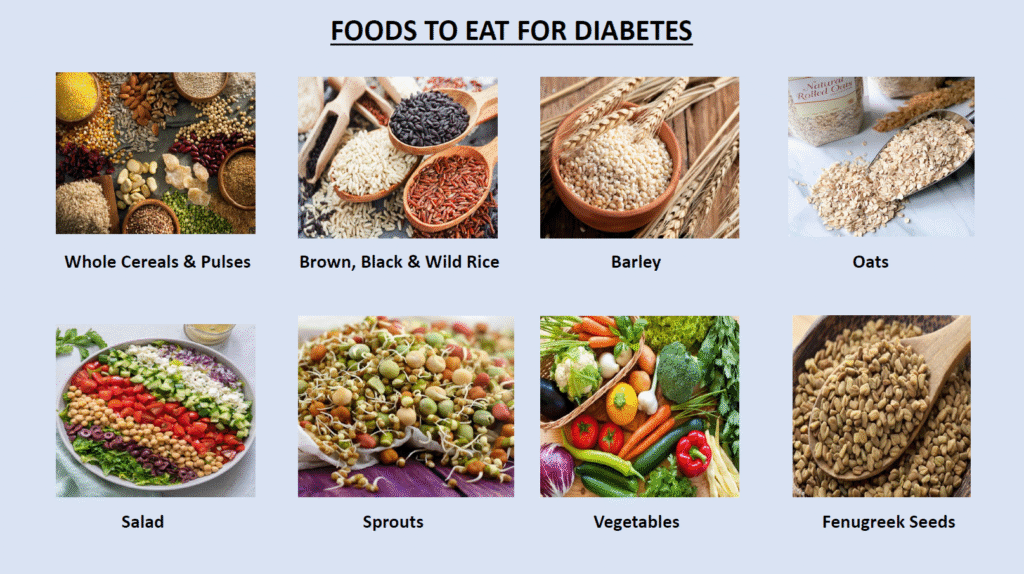
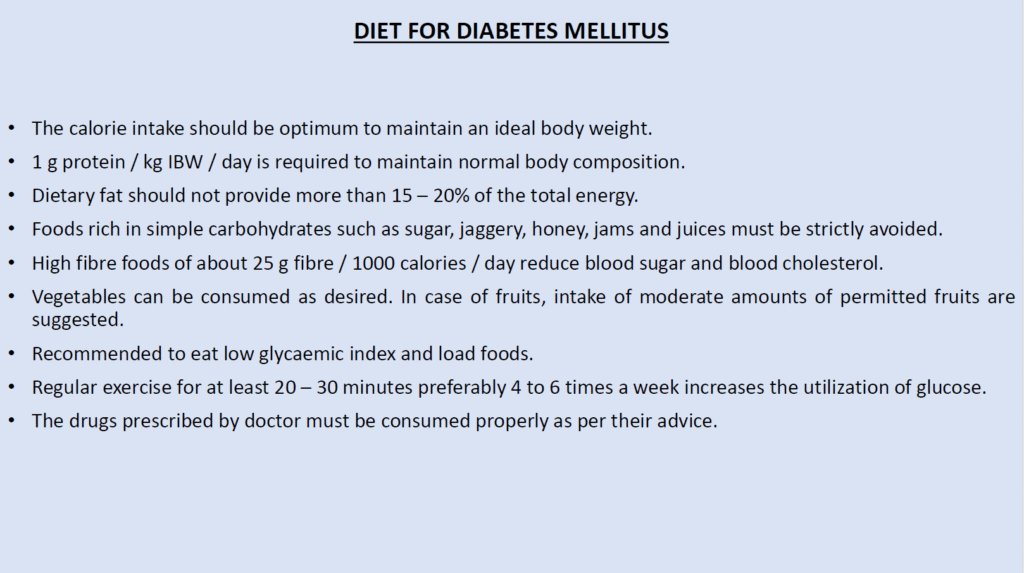
Nutrition Management
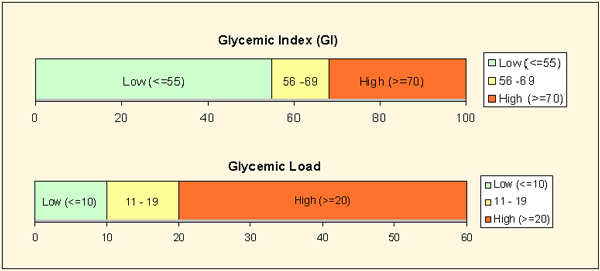
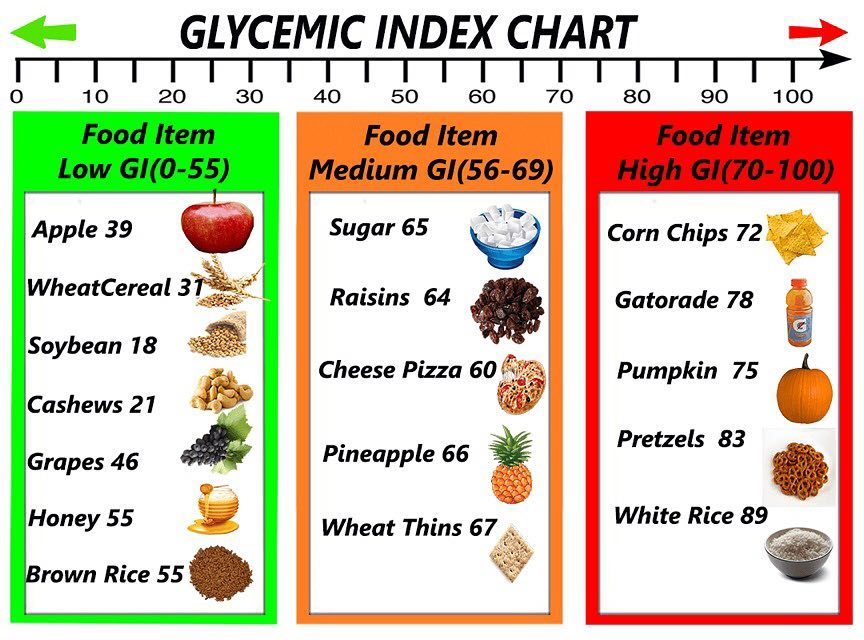
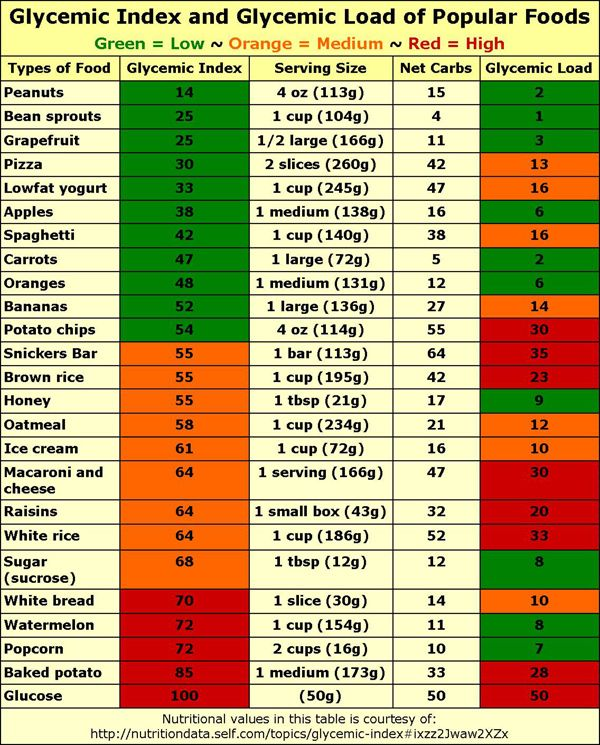
Glycemic Index (GI)
It measures how quickly a specific amount of carbohydrate in a food raises blood glucose levels compared to a standard, like pure glucose.
(ie. Glycemic Index indicates how fast a particular carbohydrate turns into sugar after consuming it.)
Glycemic Load (GL)
It measures the total impact of a serving of a food on blood glucose, considering both the type (GI) and the amount of carbohydrate present.
(ie. Glycemic Load estimates how much food will raise an individual’s blood glucose level after consuming it)